Earphones and your hearing: a safe-listening guide for Bengaluru's office workers
Listening through earphones at high volume for long hours can permanently damage the tiny hair cells of the inner ear. Keeping the volume at or below about 60% and taking regular breaks protects your hearing. Ringing in the ears or muffled hearing after listening is an early warning sign to take seriously.
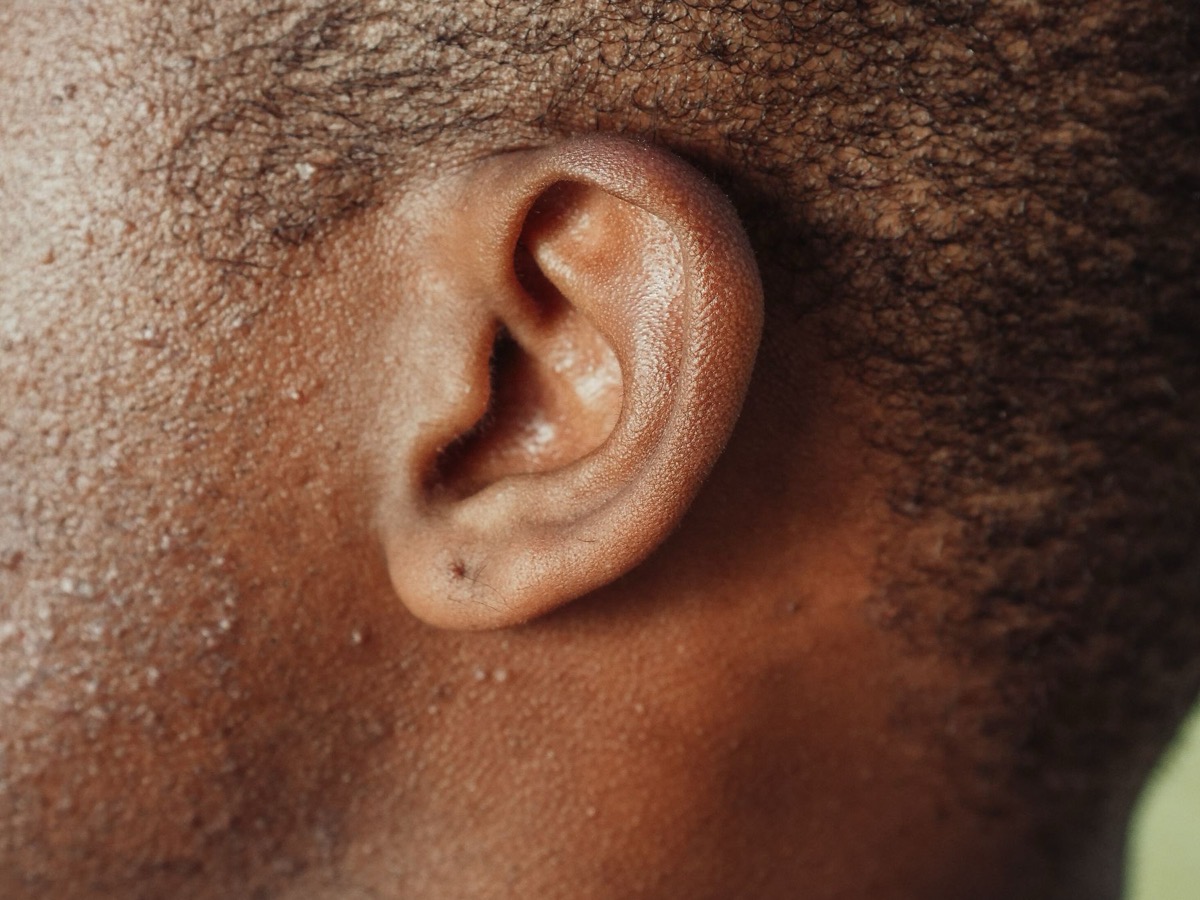
Many people in Bengaluru now spend six to ten hours a day with earphones in: calls and meetings at work, music or podcasts on the commute, and videos at night. In the ENT clinic we increasingly see young adults in their twenties and thirties with ringing in the ears and early hearing loss that was once seen mainly in older people.
How earphones damage hearing
Sound is picked up in the inner ear by thousands of delicate hair cells. Loud sound, especially for long periods, wears these cells out. Unlike skin or bone, these hair cells do not grow back, so the damage builds up quietly over years and is permanent.
Two things matter: how loud and how long. A sound that is safe for a few minutes can be harmful over several hours. The World Health Organization's safe-listening guidance is built on exactly this balance of volume and time.
Early warning signs
- Ringing, buzzing or hissing in the ears (tinnitus), especially after a long listening session
- A blocked or muffled feeling in the ears after removing earphones
- Difficulty following conversations in noisy places such as restaurants
- Turning the volume up higher than you used to
Temporary ringing or muffling usually settles within a day, but it means the inner ear has been stressed. Repeated episodes add up.
Simple safe-listening habits
- Keep volume at or below about 60%. If someone next to you can hear your music, it is too loud.
- Take breaks. A few minutes without earphones every hour gives your ears time to recover.
- Use noise-cancelling earphones or headphones. On a noisy bus or metro, people turn the volume up to drown out traffic. Blocking outside noise lets you listen at a lower, safer volume.
- Turn on your phone's hearing protection. Most phones can limit headphone volume and show weekly listening exposure in their sound or health settings.
- Prefer speaker mode or over-ear headphones for long calls when you can.
- Give your ears quiet time after loud events such as concerts or weddings with loud music.
What about ear infections from earphones?
Earphones that sit inside the ear canal trap warmth and moisture. Sharing earphones, or using them for many hours, can lead to itching, outer-ear infections and fungal infections, which are common in Bengaluru's humid months. Clean the ear tips regularly, avoid sharing them, and never clean your ears with cotton buds.
When to see an ENT doctor
- Ringing in the ears that does not settle within a day or two
- Hearing that feels reduced in one or both ears
- Sudden hearing loss in one ear. This is an emergency: see an ENT doctor within 72 hours.
- Ear pain, itching or discharge
A simple hearing test (audiometry) takes about 20 minutes and shows whether there is any damage, giving you a baseline to compare against in future.
Frequently asked questions
Are over-ear headphones safer than earbuds?
They are often more comfortable for long use and less likely to cause ear-canal infections. What matters most for hearing is volume and listening time, whichever type you use.
Can noise-induced hearing loss be reversed?
No. Damage to the inner ear's hair cells is permanent, which is why prevention matters. Hearing aids can help if the loss becomes significant.
How often should I get my hearing checked?
If you use earphones for many hours a day or work in a noisy environment, a hearing test every one to two years is sensible, and sooner if you notice ringing or reduced hearing.
Related guide: Hearing loss
Written and medically reviewed by Dr. Aditi Ravindra on 28 November 2026. This article is for general information and does not replace a consultation.